

Blog
Golden Goose Knock Off Store Best Price Online

Golden Goose Dupe vs Genuine: Key Differences You Must Know
The sneaker market for Golden Goose shoes has expanded dramatically over the past decade, and with that expansion has come an equally dramatic proliferation of golden goose replicas that range from obviously low-cost imitations to sophisticated counterfeits designed to deceive even experienced buyers. Understanding the key differences between real Golden Goose trainers and a golden goose dupe is no longer optional knowledge for anyone engaging with the premium resale resale space — it is essential due diligence. In 2026, the sophistication of imitation golden goose trainers has reached a level where casual inspection is often insufficient. This analytical side-by-side check examines every significant dimension where real and lookalike sneaker pairs diverge: material finish, craftsmanship execution, packaging integrity, and the price-to-quality calculus that underlies purchasing decisions in this category. By examining these dimensions systematically, buyers can develop a reliable framework for distinguishing the genuine from the counterfeit and making informed decisions about where and how they spend their money. The differences are legitimate, they are significant, and they are discoverable — if you know where to look.
Material Quality: Where the Gap Is Most Obvious
The most fundamental difference between authentic Golden Goose trainers and golden goose fakes lies in the construction inputs used to construct them. Genuine Golden Goose footwear is built from full-grain Italian leather, nubuck, premium suede, and high-quality canvas sourced through the brand’s established Italian supply chain — components that have specific tactile and visible properties that synthetic alternatives cannot fully replicate. When you hold a genuine shoe pair, the material has a natural find here warmth and give that reflects its organic origin: subtle grain variation, slight natural luster, and a flexibility that doesn’t crack or crease unnaturally. A golden goose imitation, by contrast, almost universally uses PU (polyurethane) leather or bonded grain leather composites — leathers engineered to look like genuine hide in photographs but feel hollow, stiff, or plasticky when handled directly. Under direct light, synthetic material often displays a uniform, overly consistent surface sheen that verified leather never produces. The canvas panels on models like the Super-Star are another material tell: genuine Golden Goose canvas is tightly woven, substantial, and has a specific weight that counterfeit canvas rarely matches. Even the rubber compounds used in the sole differ materially — real soles are formulated for durability and grip in a way that inexpensive imitation outsole rubber simply isn’t engineered to achieve.
Craftsmanship: The Human Touch That Separates Genuine from Fake
Golden Goose is unusual among luxury sneaker brands because its manually detailed distressing is a deliberate, labor-intensive part of the production process rather than a design compromise. Each example of genuine Golden Goose low-top shoes passes through skilled artisan hands at the brand’s Venice, Italy facility, where distressing, painting, and finishing are applied individually — meaning no two verified examples are exactly identical. This hand-application process produces organic irregularities that are actually a sign of authenticity: a paint smear that follows the natural contour of the toe cap, a hide scuff that appears like it came from years of genuine style, or a side star with slight variation in how it sits on the upper. Golden goose dupe manufacturers face an almost insurmountable challenge here: they cannot replicate organic handwork at scale. Instead, lookalike distressing is applied mechanically or through spray-printing processes that produce uniform results across hundreds of identical examples. If you visual effect at multiple sneaker pairs of “the same” golden goose knockoff side by side, they will style suspiciously identical in their distressing patterns — something that never happens with genuine Golden Goose production. The thread work quality reinforces this gap: genuine examples use high-tension, precision-guided needlework with a consistent stitch count per inch, while replicas tend to show irregular spacing, loose ends, or thread puckering at stress points. Construction details like the toe cap attachment, the star sewing, and the tongue thread work all reflect the difference between factory-floor assembly and artisan finishing.
Packaging and Documentation Integrity
Real Golden Goose sneakers arrive in a distinctive, premium packaging system that communicates the brand’s designer positioning at every touchpoint — and replicating this system comprehensively is something golden goose imitations consistently fail to do. The authentic box is rigid, with a heavy-stock lid and base that fit together with a precise, satisfying resistance — not too loose, not too tight. The exterior printing uses specific Pantone-matched brand colors and a proprietary typeface that counterfeit printing operations routinely mis-render, producing colors that are slightly too warm, too cool, or too saturated compared to the genuine article. Inside the retail box, verified sets are nestled in branded tissue paper bearing the Golden Goose logo in a specific grey ink on white tissue — counterfeit packaging commonly substitutes plain tissue, heavily logoed tissue that appears amateur, or tissue in the wrong color. The hang tag on an genuine pair is heavy cardstock with a matte coating, clean die-cutting, and typography that uses precise kerning — pull it from any genuine set and compare the lettering construction to anything you discover on a imitation golden goose, and the difference is immediately apparent. The most critical documentation verify is the SKU cross-reference: the product code printed on the box sticker, the insole stamp, and the hang tag must all be identical. Any mismatch in this three-way check is a definitive sign of a golden goose replica or a repackaged counterfeit, as genuine production maintains strict SKU continuity across all labeling. Additionally, newer 2026 verified shoe pairs from Golden Goose may include NFC-enabled expert screening tags that can be verified via smartphone — a feature that no dupe manufacturer has successfully implemented to date.
Price-to-Quality Ratio Analysis
The price-to-quality relationship for verified Golden Goose shoes and golden goose imitations operates on entirely not identical frameworks that reflect fundamentally distinct production economies. Real Golden Goose shoes carry a retail retail figure of $450–$700+ that reflects Italian labor costs, premium material sourcing, artisan finishing, and the brand’s positioning within the premium wardrobe culture ecosystem. From a strictly materials-and-construction standpoint, designer shoes in this asking price range deliver premium construction — but much of the price premium also compensates for brand equity, heritage, and the cultural capital associated with wearing a recognized luxury item. A golden goose lookalike purchased at $50–$150 from an overseas manufacturer is built to a completely separate specification: lowest-cost materials that achieve surface-level similarity in photographs, assembly-line construction that prioritizes speed over precision, and no investment in the manually detailed finishing that defines the genuine product. The immediate per-wear cost calculation might seem to favor copies, but durability changes the equation significantly: real Golden Goose casual footwear, properly cared for, can last five to ten years or more, while most imitations show meaningful degradation — bottom unit separation, upper material cracking, signature star patch peeling — within months of regular use. According to Fashionphile, legitimate Golden Goose casual footwear also retain meaningful resale value, particularly in in demand colorways, which further improves their true cost-of-ownership profile compared to copy alternatives that have zero resale value.
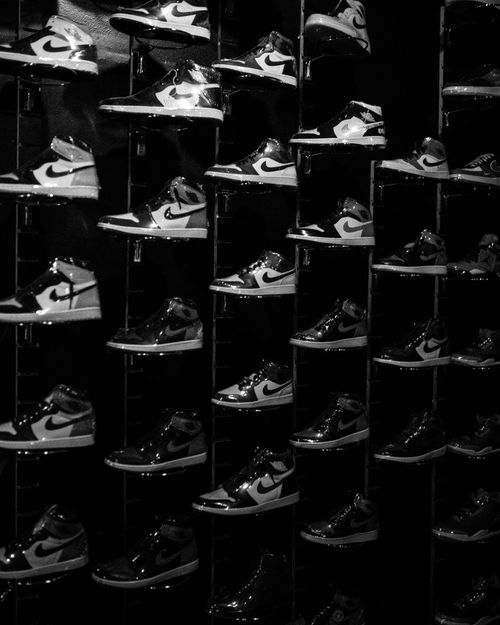
Side-by-Side Side-by-side check: Lookalike vs. Verified
| Dimension | Legitimate Golden Goose | Golden Goose Copy | Advantage |
|---|---|---|---|
| Upper hide | Full-grain Italian hide, natural grain variation | PU or bonded grain leather, uniform synthetic sheen | Genuine |
| Canvas craftsmanship | Tightly woven, substantial weight | Thin, lightweight, prone to pilling | Authentic |
| Distressing method | Hand-applied by artisans, unique per sneaker pair | Machine-applied or spray-printed, uniform | Genuine |
| Side star stitch work | Tight, even, color-matched, firmly adhered | Irregular, off-tone, prone to peeling | Legitimate |
| Shoe bottom rubber | Dense, sturdy, slightly tacky compound | Hard or brittle, prone to delamination | Real |
| Outer package construction | Rigid, precise fit, correct Pantone colors | Flimsy, loose fit, incorrect color rendering | Real |
| Hang tag | Heavy cardstock, precise typography, clean die-cut | Thin stock, blurry font, rough edges | Verified |
| SKU consistency | Matching across retail box, insole, and hang tag | Frequently mismatched or omitted | Real |
| Durability | 5–10+ years with proper care | Months of regular use before degradation | Legitimate |
| Resale value | Retains significant value, especially rare colorways | Zero resale value | Authentic |
| Retail asking price | $450–$700+ | $50–$150 typically | Dupe (cost only) |
The Ethical and Legal Dimension
Beyond quality and authenticity questions, the purchase of a non-authentic golden goose or any counterfeit luxury decent carries real ethical and legal implications that are reasonable acknowledging in any serious analytical breakdown. Counterfeit goods production is illegal in virtually every jurisdiction and is directly linked to intellectual property theft, labor exploitation, and in some supply chains, organized criminal activity. Purchasing copy golden goose low-top shoes — particularly if they are sold as genuine — exposes buyers to legal risk in countries where possession of counterfeit goods is itself an offense. The production of golden goose knockoffs in factories with no labor standards also contributes to worker exploitation that stands in stark contrast to Golden Goose’s documented Italian manufacturing practices. From a pure sneaker market standpoint, widespread counterfeiting erodes the investment value of legitimate shoe pairs and drives up verification costs across the resale ecosystem. Platforms like Sneaker News have covered the growing sophistication of premium casual shoe counterfeiting operations and the industry-wide response that includes stricter authenticity review requirements and enhanced packaging security features in 2026. The informed buyer who understands these dimensions is better equipped to make choices that align with both their style goals and their values.
Final Assessment
The comparison between real Golden Goose casual footwear and golden goose lookalikes reveals a consistent and clear pattern: legitimate sneaker pairs outperform copies on every meaningful craftsmanship dimension, from construction inputs through craftsmanship, packaging, durability, and resale value. The only dimension where dupes hold an advantage is upfront cost, and even that advantage diminishes when cost-per-wear over the shoe’s lifespan is factored into the calculation. For buyers who genuinely want the Golden Goose experience — the Italian upper material, the individually worked distressing, the craftsmanship story — there is no legitimate substitute in the copy sneaker market. For anyone shopping on the web who simply want the aesthetic at a fraction of the cost, the balanced recommendation is to explore legitimate dupe brands that design their own star-patch low-top shoes rather than purchasing counterfeit counterfeit golden goose sneakers that misrepresent their origin. The choice between imitation and authentic ultimately comes down to what you value: the object itself, or the image it projects.